
Finding Shaker Heights Residents
The Shaker Heights residents directory is a set of separate public trails, not one complete roster. Start with the fact you can check. A current street address works best in Cuyahoga County property data, while a person’s name can lead to voter confirmation, recorded documents, or a court index. An older address belongs in library directories, building cards, plats, and deeds. Each source has a different date and purpose. A parcel record may identify an owner but not every person at the address, and a directory entry reflects the publisher’s listing at one point in time.
Use narrow searches and save the source date. The county keeps legal property and recording channels, the City keeps municipal material, and Ohio maintains statewide tools. When an online index ends, request an existing record from the office that created it. That approach keeps the Shaker Heights residents directory useful for family history, estate work, reconnecting with people, and checking a record that seems inconsistent.
- For a present address, search MyPlace by address, owner name, or parcel number and record the permanent parcel number.
- Compare the result’s transfer trail with the Recording Division’s party, parcel, or document search.
- For an individual registration question, use Ohio My Voter Information with the person’s name and county.
- For a historic household, consult Shaker Heights library collections and the address section of the relevant directory volume.
- Ask the City, county office, court, library, or archive for a defined existing record when a public web tool does not supply it.
Note: A search result is a lead, not proof of every person connected to an address.
Shaker Heights Resident Record Offices
Shaker Heights records are held at more than one level of government. The City is the right custodian for its permit, planning, council, and municipal administrative material. Cuyahoga County is the primary route for parcel, tax, deed, and many court records. Ohio tools add statewide voter and vital-record access. The cards below identify the main starting points, but the record type still controls where a request belongs. A court filing is sought from the court, not from the City’s general administrative form.
Cuyahoga Recording Division
2079 E. Ninth Street, 4th Floor
Cleveland, OH 44115
216-443-7020
Ohio voter information
Statewide registration tool
Ohio Secretary of State
877-SOS-Ohio
City administrative records have an additional route. Shaker Heights’ public-records policy permits online, phone, email, mail, and in-person requests; inspection is free. The City asks for an existing record described by subject and date range, then routes it to the department holding it.
Shaker Heights MyPlace Records
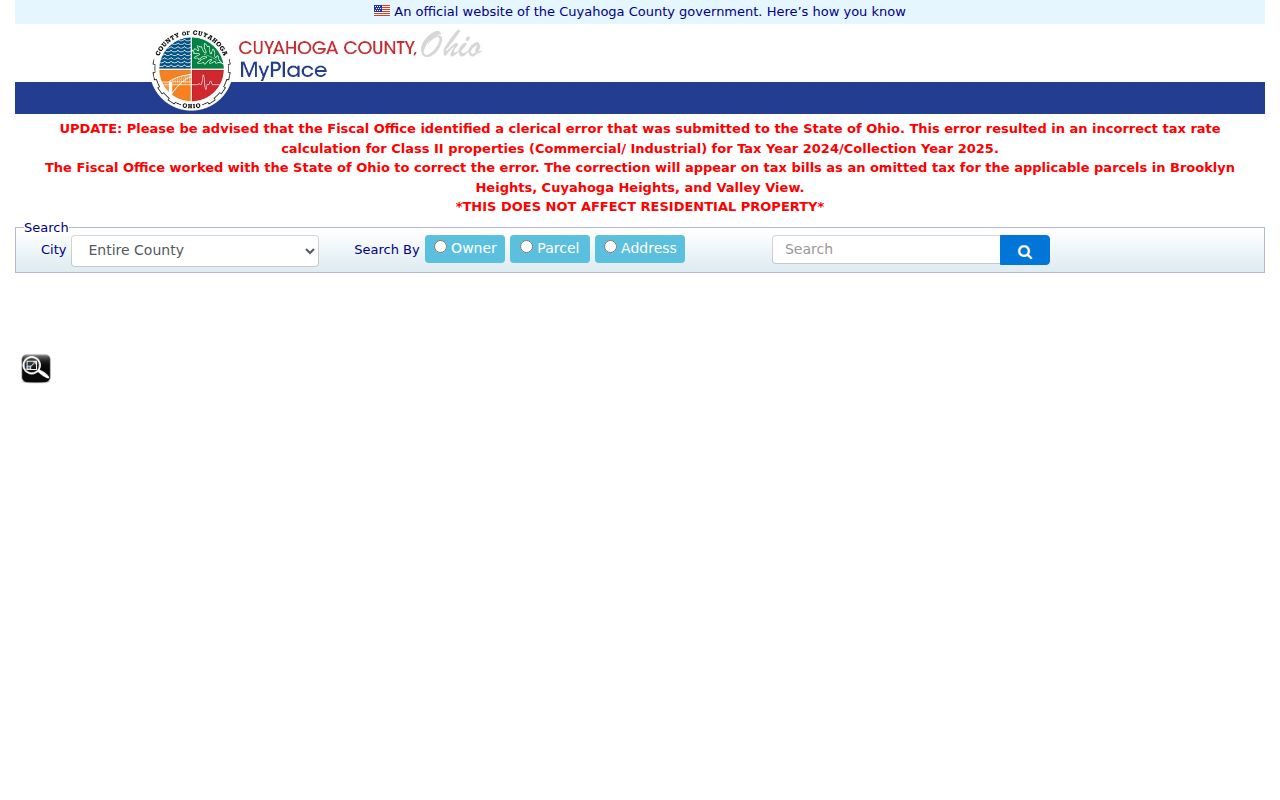
Cuyahoga County MyPlace accepts an address, owner name, or parcel number. Select Shaker Heights as the city context only after comparing the street address and parcel. A result can open General Information, Transfers, Values, land and building details, permits, map context, a property summary, and tax-year paths. The county calls MyPlace an informational compilation. For legal certainty, compare it with the recorded instrument held by the Recording Division.
| MyPlace field or tab | Type | Required | Shaker Heights use |
|---|---|---|---|
| Address | Text search | No | Find a parcel by a precise street address. |
| Owner Name | Text search | No | Check name variants and compare results. |
| Parcel Number | Formatted text | No | Use the stable property identifier. |
| City | Context/filter | No | Select Shaker Heights after checking the record. |
| Transfers | Result tab | Not applicable | Open the dated property-transfer trail. |
The MyPlace search screen is shown below. It is the practical first step for a Shaker Heights residents directory address question because it joins a street address to the parcel record before the deed work begins.
Use the transfer tab as a dated lead, then verify a transfer in the county’s recording system. An owner’s name alone does not settle current residency.
Shaker Heights Voter Record Checks
Ohio My Voter Information is a narrow confirmation tool, not a by-street directory. It requires first name, last name, and county, then returns registration and precinct information for a matching voter. The public voter record is governed by R.C. 3503.13, which excludes protected categories and confidential records. Name variants matter, especially when a person has used a prior surname or a common name.
The Ohio DATA Act archive is a different channel. Its county daily voter snapshots can be searched by election and date and downloaded under the archive’s rules. Those files require careful use and do not override protected fields. A reader seeking a record for one person should begin with the three-field confirmation form rather than treating the Shaker Heights residents directory as a street-wide voter roll.
Shaker Heights Deed Index Trail
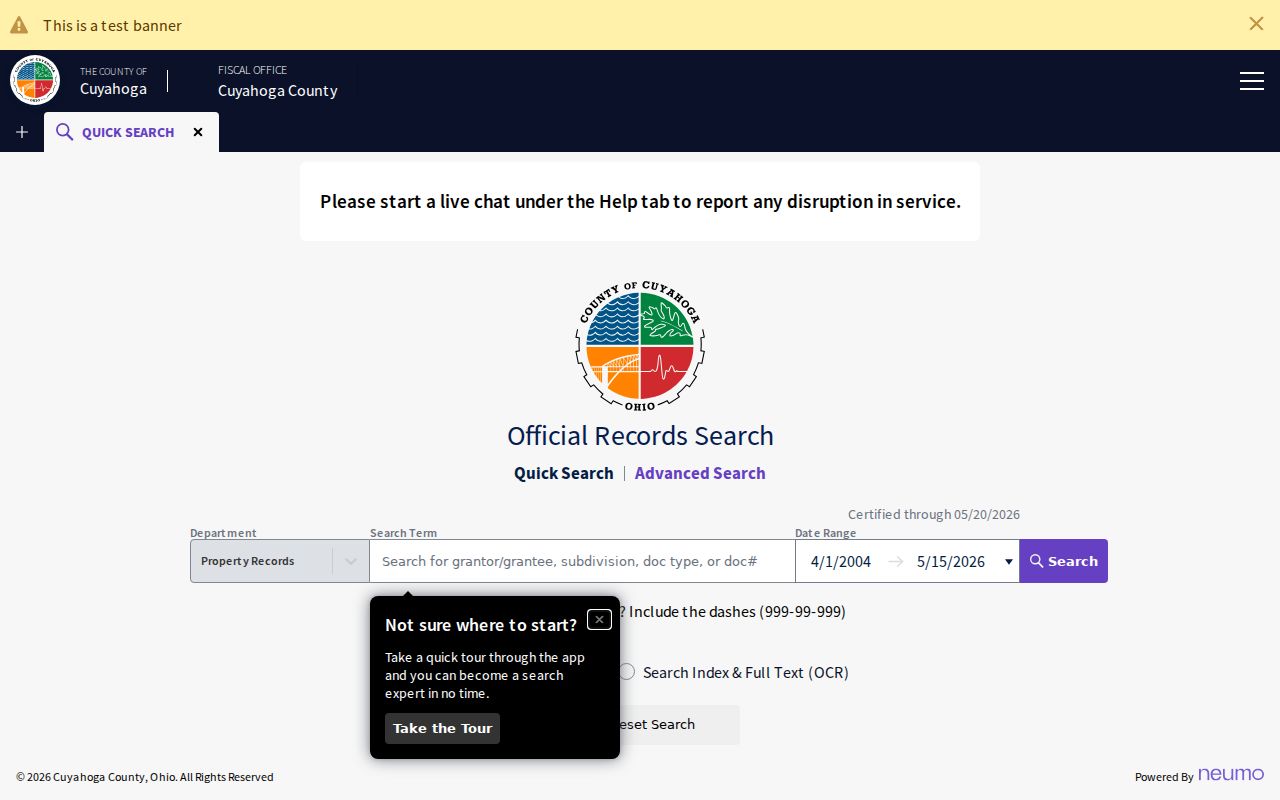
The Cuyahoga Recording Division says its recorded-document data reaches from 1810 to the present. Its Official Records Search can search an index alone or the index and full-text OCR. Multiword input is handled differently in those two modes, so a former owner’s name, a document number, a date range, legal subdivision terms, or a parcel number may work better than a modern street label.
A grantor is the party conveying an interest. A grantee is the party receiving it. In a backward title trail, a current grantee can become the earlier search term. Record the document number, date, parcel, legal description, and parties before moving back. The full document image and official custodian record control when details conflict.
The county’s quick-search interface is illustrated here. It supports a Shaker Heights residents directory trail through recorded property parties without turning a parcel index into a complete household list.
When a street-level question needs the full parcel and deed sequence, use the dedicated Shaker Heights street directory record trail.
Current Shaker Heights Resident Sources
No current Shaker Heights source lists every household. The closest official options describe a specific relationship: ownership, voter registration, a party to a recorded document, a court case, or a municipal record. That distinction makes a search more accurate. Use the table to choose the source that fits the question, then check the date, scope, and access condition rather than assuming a name hit establishes a present address.
| Shaker Heights source | Relationship shown | Custodian | Access path |
|---|---|---|---|
| MyPlace parcel record | Owner, parcel, transfer and property context | Cuyahoga Fiscal Office | Public address, owner, or parcel search |
| My Voter Information | Individual registration and precinct confirmation | Ohio Secretary of State | First name, last name, county |
| Official Records Search | Parties to deeds and other recorded documents | Recording Division | Public index and available images |
| City record request | Existing municipal record by subject and date | Shaker Heights department | Online, phone, email, mail, or counter |
| Neighborhood association contacts | Community routing, not member rosters | City-recognized associations | Public City contact page |
Official sources and commercial people-finder products serve different roles. The official source has a named custodian, stated record purpose, and a channel to verify or request a copy. Commercial results can be stale, lack the source document, or merge people with similar names. For an individual question, begin with the person-focused steps in the Shaker Heights resident lookup process and retain only details that the official source actually supports.
| Official record route | Commercial people-finder category |
|---|---|
| Shows a defined record and the custodian who can verify it. | May combine information without the underlying public document. |
| Has stated access rules, source date, and copy path. | May have unclear update dates or matching logic. |
Shaker Heights Court Name Searches
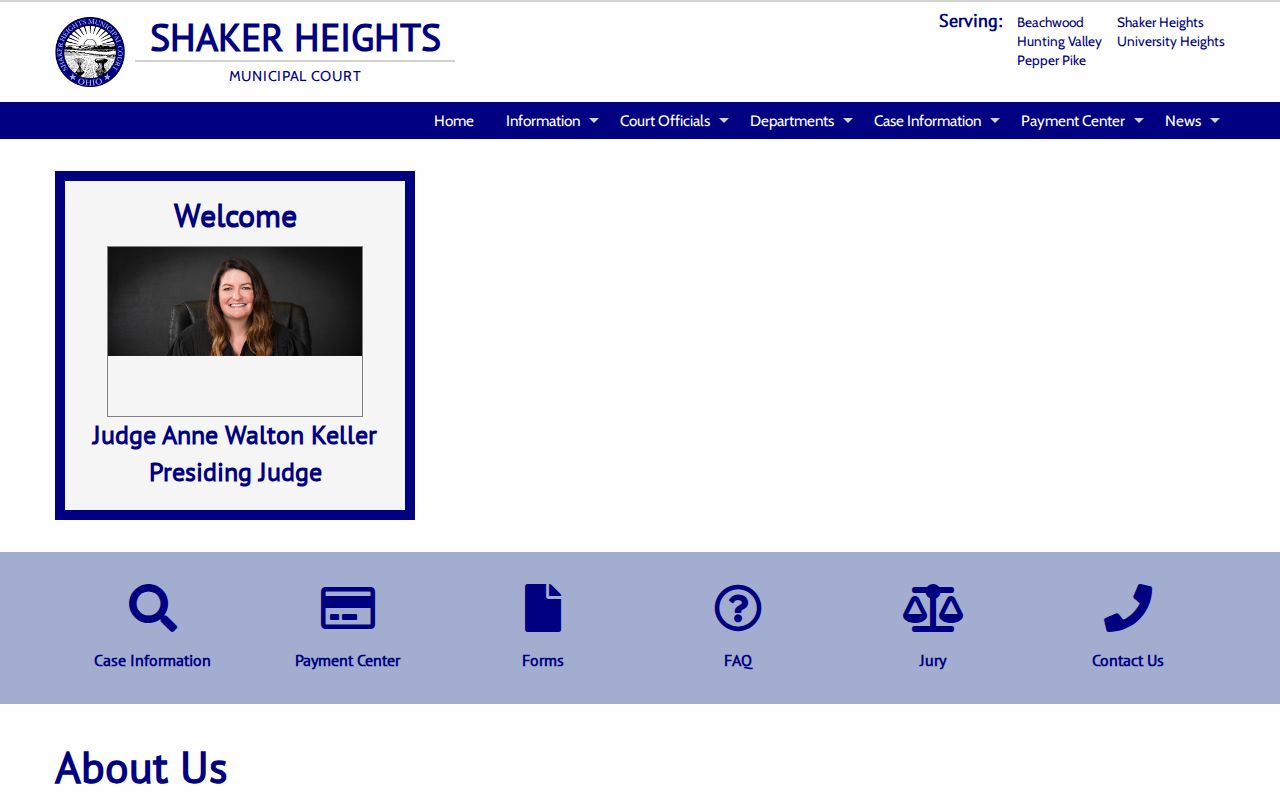
Courts serve a different role in a Shaker Heights residents directory. The Shaker Heights Municipal Court separates traffic and criminal, civil, and camera case searches for its service area. Live forms are protected by a CAPTCHA, so the published page does not support promises about its current name-search fields. When web access is unavailable, the Court’s clerk and copy channels are the appropriate fallback. Sealed and otherwise confidential case material is not a public lookup.
The municipal court’s official case-information menu is shown below. A court result identifies a case path, not an address or a complete picture of a person’s life.
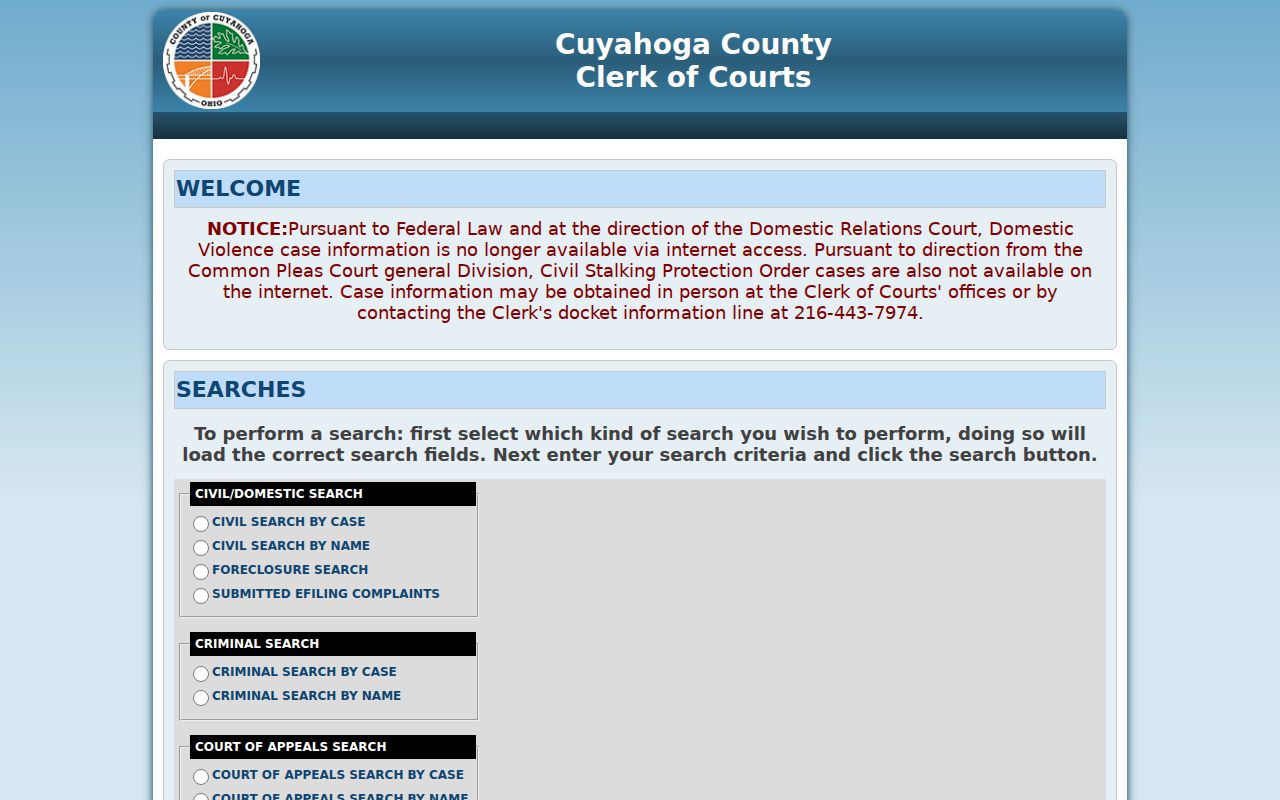
Cuyahoga’s Common Pleas Clerk has a second route. Its WebDocket offers civil, criminal, foreclosure, and appellate case or name modes, and says official in-person records control. Protected domestic-violence and civil protective-order categories are not available through the public internet screen.
The Cuyahoga Clerk WebDocket selection screen shows the separate search paths. Choose the court and mode before drawing any conclusion from an indexed name.
For estate or heir questions, Probate Court is a separate channel with a party search and a case-copy procedure. Its older estate records also have an archives path.
Shaker Heights Record Request Options
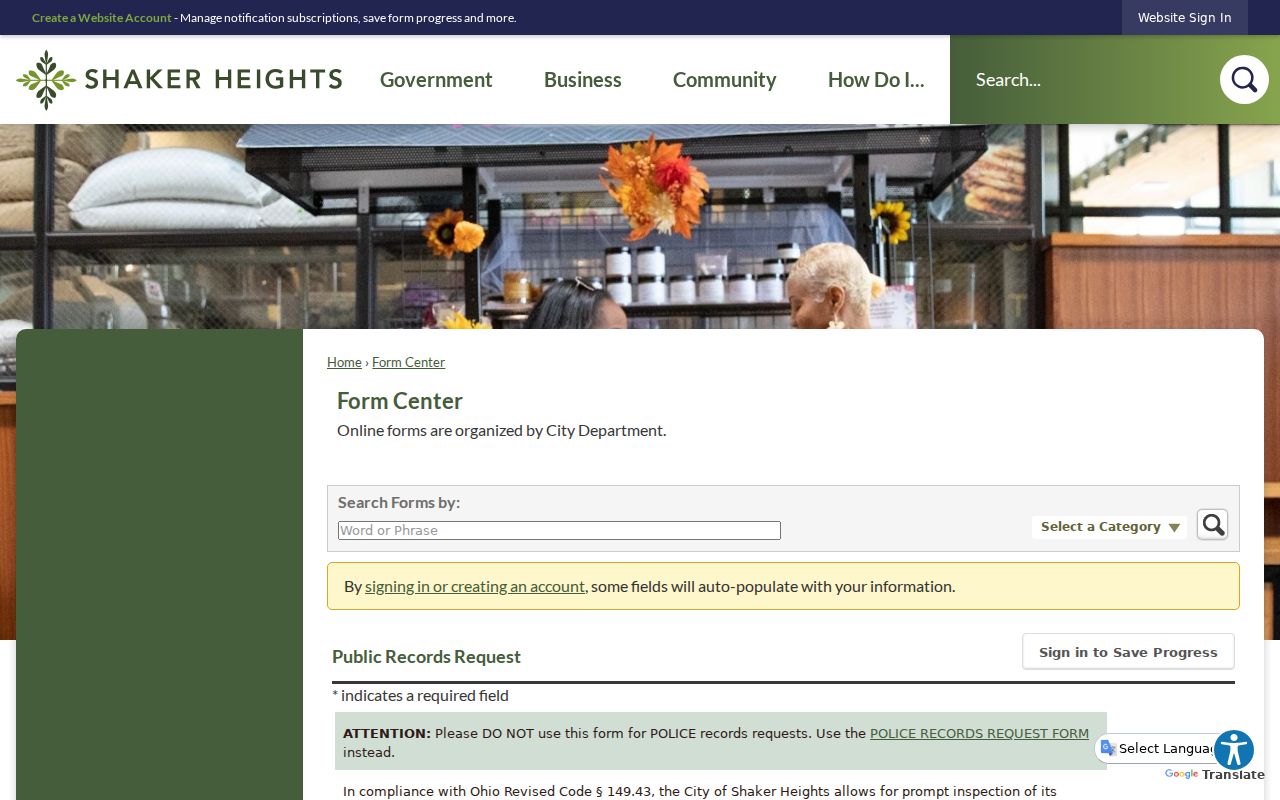
When a City record is not exposed online, use the Shaker Heights non-police request form or the City’s other documented request channels. The form asks for a description, format, delivery method, and department. Email PDF is free; hard copy is posted at five cents per page and compact disk at fifty cents per disk, with postage or special-copying charges where applicable. A clear request names the address or person only as needed, the date range, record type, and the City department likely to hold it.
The form’s department choices help keep a request narrow. Building, Planning, Neighborhood Revitalization, Finance, Law, and Council can each hold different municipal material. Police requests use a separate procedure, and court material follows the court’s own copy process. Ohio’s Public Records Act, R.C. 149.43, calls for prompt inspection and copies within a reasonable period while allowing lawful redaction.
The City request form appears here. It provides a practical fallback for a Shaker Heights residents directory question that requires an existing municipal record rather than an unsupported guess.
Requests do not need to be written under the City policy, but a written description creates a useful record of the specific material sought and the delivery choice.
Shaker Heights Vital and License Checks
Vital records and professional credentials answer narrow questions. Ohio birth and death certification is handled through the state system and eligible local registrars under R.C. 3705.23, while Cuyahoga Probate is the local route for marriage licenses and certified marriage copies. Ohio History Connection’s historical death index covers 1913 to 1944 and 1954 to 1970, but archive copies are not certified. These records are best used to document a defined family-history or estate question, then verified with the proper custodian.
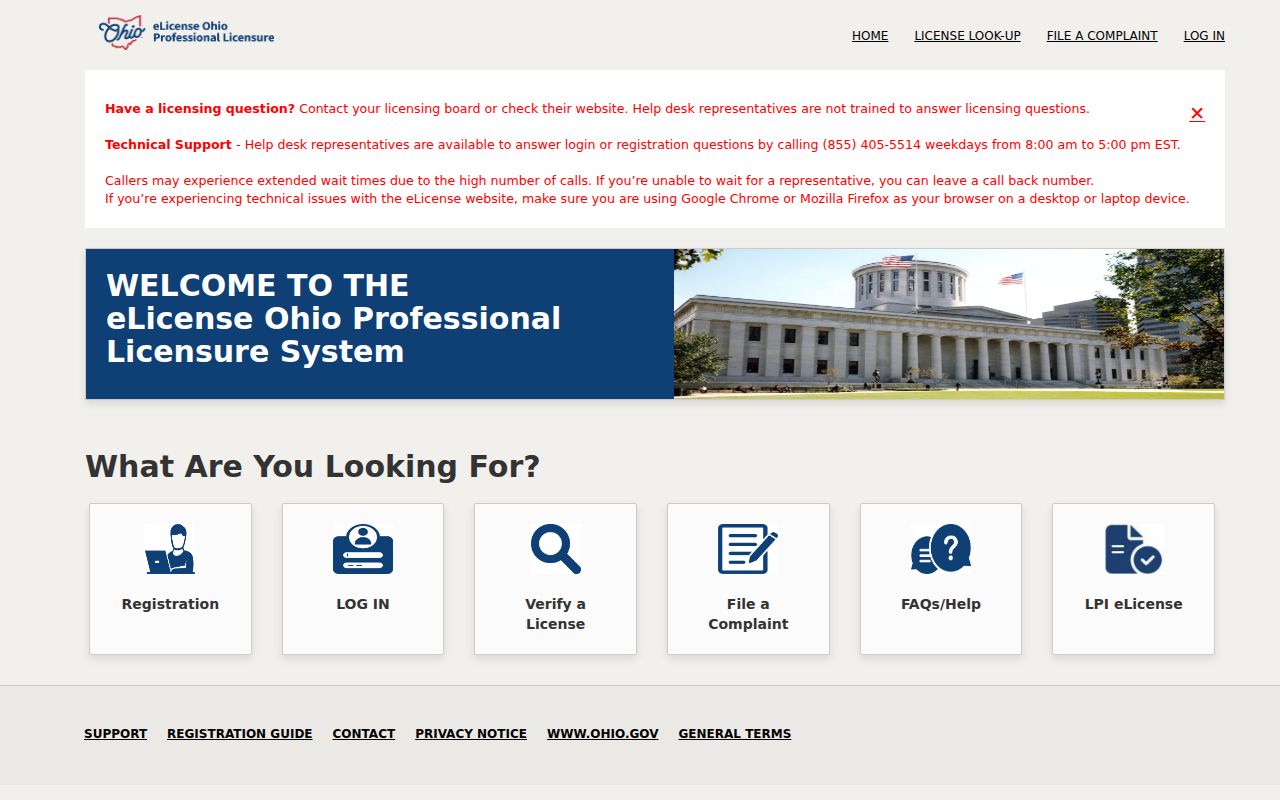
Ohio eLicense is another focused state tool. It can confirm a posted credential’s status, board, dates, and any displayed board action. The result should be checked against the specific board record and date rather than used as an address list.
State custody tools have an even narrower scope. Ohio DRC’s offender search is a state-custody locator, not a complete arrest or court record and not a current-resident directory.
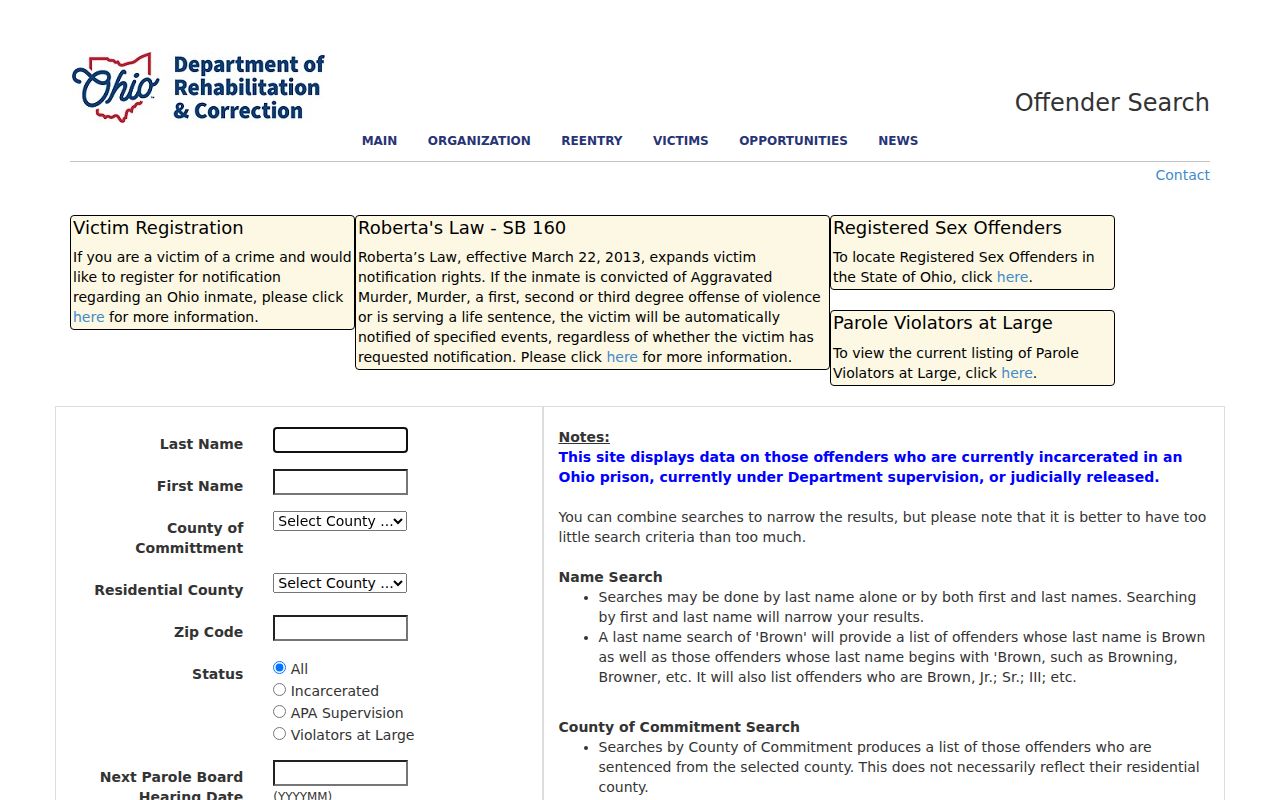
Scope is the key safeguard: a specialized state result cannot prove that a person now lives in Shaker Heights.
Shaker Heights Library Archives
The Shaker Heights Public Library Local History Collection is the strongest local historical channel when a web index stops. Its inventory includes City material, community associations, elections, school history, architecture, integration, rapid-transit material, yearbooks, and local serials. It reports incomplete Shakerite issues from 1929 forward and Sun Press/Heights Press microfilm from 1936 to 2010. Those gaps matter. A missing article or name does not prove a household was absent.
Shaker Historical Society adds an appointment-only archive and house-research support. Its CatalogIt work had made nearly 800 items public by December 2025, while incomplete and minimally processed entries remain labelled as such. The City’s public library and the Society are complementary channels, not replacements for Cuyahoga’s official parcel and recording records.
Historical Shaker Heights Resident Directories
Shaker Heights was named explicitly in the parent Cleveland directory run from 1925 to 1950. The address section began in 1929, a dedicated five-suburb directory followed from 1949 to 1963, and the East Suburban series began in 1964. Cleveland Public Library also holds criss-cross directories, where an address may lead to a listed adult, business, or telephone number. The County Archives and Western Reserve Historical Society offer other regional directory and property-research channels.
A historical listing associates a person or business with an address at publication time. It does not prove ownership or a complete household. Check the volume’s abbreviation key, watch for nonpublication years, and pair a directory with a deed, tax, probate, or census source when the detail matters. The Shaker Heights city directory collections have the full runs, reading conventions, and shelf paths.
- Parcel
- A permanent property identifier used to connect tax, map, transfer, and deed records.
- Index
- A finding tool that points to a record. It is not always the underlying document.
- Criss-cross directory
- An address-first directory that can list the occupant or business shown for a street address.
- Roll
- A list created for a specific purpose, such as registration, taxation, or a court docket.
Shaker Heights Records Across Eras
County recorded-document data reaches to 1810, even though Shaker Heights became a village in 1911 and a city in 1931. That longer span matters when a property trail crosses the former Warrensville or North Union landscape. Cuyahoga Archives holds historical tax material, plats, appraisal cards, probate estate files, and other series with their own access conditions. A modern street address may be only the last label in a much older chain of parcel and legal-description evidence.
For an older Shaker house, begin with the present parcel, use the MyPlace Transfers tab for the 1975-forward trail, then move through former owners in the recording index. Shaker Heights Building Cards supply a local bridge: more than 10,000 cards can be searched by address, original owner, architect, builder, or keyword, yet a missing card is not proof that a building never existed or changed. That documented gap is reason to compare the card with plats, deeds, and library material.
Note: Record survival and online access vary by collection, so preserve the source name, date, and search terms with each finding.